
Tulare Superior Court serves as the main judicial body in Tulare County, California, handling civil, criminal, and family law matters. Located in the city of Visalia, this court manages a broad range of cases, ensuring legal processes are carried out fairly and efficiently. Its role is central in maintaining justice at the county level, supporting both residents and local government agencies. With clearly defined divisions and jurisdiction, the superior court ensures that legal disputes from minor infractions to complex civil lawsuits are addressed systematically. The court also provides accessible resources and guidance to help the public navigate legal procedures. Additionally, it plays a key role in implementing state laws consistently across the county.
The Superior Court Tulare County operates under California state law and manages cases that include criminal prosecutions, family disputes, probate matters, and civil lawsuits. Each division specializes in specific areas of law, such as family law, small claims, or criminal proceedings, providing structured support for judges, attorneys, and the public. Visitors to the court can access resources related to case filings, court schedules, and official records. This introduction sets the stage for exploring court divisions, filing processes, and resources available for those involved in legal matters in Tulare County.
How to Search Tulare Superior Court Cases & Records
Searching cases at the Tulare Superior Court or accessing Superior Court Tulare County Court records can be done online, in person, or via authorized public resources. Each method allows users to find case information, check court schedules, and obtain official documents. Below is a clear guide for every step.
Official site: https://www.tularecourt.ca.gov
Online Case Search
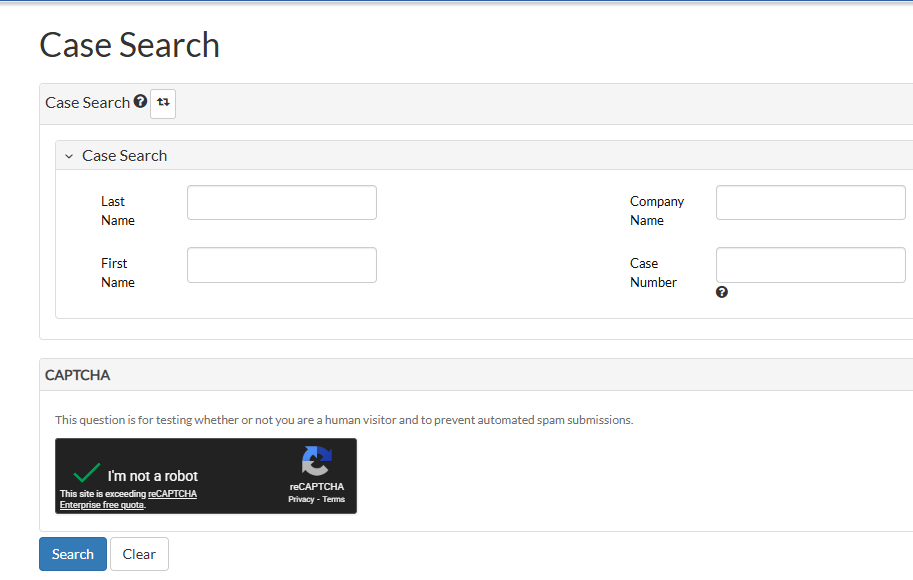
The Tulare Superior Court provides an official online portal for public case searches. This is the fastest way to check case details without visiting the courthouse.
- Open the Court Website
- Go to: https://www.tularecourt.ca.gov
- Locate the Case Search Portal
- From the homepage menu, click “Case Search” or “Online Records.”
- Enter Search Information
You can use one or more of the following fields:
| Field | What to Enter |
|---|---|
| Case Number | If known, enter exact number |
| Party Name | Plaintiff or defendant |
| Attorney Name | Attorney representing the case |
| Date Filed | Narrow by filing date |
- Select Filters
- Division: Civil, Criminal, Family, Probate
- Status: Active, Closed, Disposed
- Submit Search
- Click “Search” or “Submit”.
- Results appear in a table format with case details.
- View Case Details
- Click the case number to see:
- Parties involved
- Hearing dates
- Document list
- Judge assigned
- Click the case number to see:
History and Background of Tulare Superior Court
The Tulare Superior Court is a key part of the California Superior Court system, serving Tulare County residents for more than a century. Established to handle civil, criminal, family, and probate cases, it developed in response to the growing population and legal demands of the region. The court functions within the judicial hierarchy, ensuring that all cases follow structured procedures. Its evolution reflects broader trends in California’s legal system, combining traditional court practices with modern administrative reforms to deliver fair and timely justice at the county level.
Origins and Evolution
The judicial system in Tulare County operates under California state law, aligning local courts with statewide rules and regulations. Over time, the court has expanded to include specialized divisions for civil, criminal, family, and probate matters. These developments show how the Tulare Superior Court has adapted to changes in the legal system California-wide while maintaining consistency and transparency in handling cases.
- Early civil property disputes that set legal precedents.
- Formation of family law and probate divisions to address complex personal matters.
- Implementation of electronic case filing and public access systems.
Notable Cases and Historical Significance
Throughout its history, the Tulare Superior Court has overseen cases that influenced both local and statewide legal practices. Early landmark cases helped define property and civil law in Tulare County. Later, high-profile criminal and family law trials drew attention and reinforced public confidence in the court. By balancing historical practices with modern tools, the court continues to serve as a critical institution within the California Superior Court network, supporting legal processes, community needs, and access to justice for residents across the county.
Court Structure and Divisions
The Tulare Superior Court follows a clear court structure to manage a wide variety of cases efficiently. At the top is the Presiding Judge, responsible for administrative oversight and ensuring the smooth operation of the court. Assistant Judges and Commissioners handle daily hearings and specialized cases, including juvenile matters, while clerks and staff manage filings, records, and public inquiries. This hierarchical structure allows the court to process civil, criminal, family, probate, and juvenile cases fairly, maintaining order and consistency within the judicial system in California. The Superior Court Tulare County is divided into specialized court divisions, including a dedicated tulare juvenile court division, each focused on particular types of cases. These divisions allow judges and staff to concentrate expertise where it is needed most, ensuring efficient scheduling, proper case management, and timely resolutions for residents and legal professionals. Understanding the responsibilities and types of cases in each division, especially juvenile matters, can help the public and attorneys interact with the court more effectively.
Civil Division
The Civil Division handles disputes between individuals, organizations, or businesses that do not involve criminal charges. This division addresses legal conflicts such as contract disagreements, property disputes, and personal injury claims. Judges in this division oversee hearings, trials, and procedural matters to ensure cases follow California law. Civil cases may include jury trials, settlement discussions, and mediation. The superior court tulare county civil division provides structured guidance to parties, helping them navigate procedural steps efficiently while maintaining fairness and transparency.
- Managing filings and case schedules
- Overseeing hearings and trials
- Issuing judgments and orders
Criminal Division
The Criminal Division is responsible for all cases involving violations of California law, ranging from misdemeanors to felonies. Judges and staff manage the progression of criminal cases from initial arraignment to trial and sentencing. This division ensures that defendants’ legal rights are protected while maintaining public safety. It handles plea agreements, probation matters, and trial preparation. The superior court tulare county criminal division operates under strict adherence to California legal standards to ensure fair and impartial outcomes.
- Conducting arraignments, hearings, and trials
- Managing plea agreements and sentencing
- Supervising probation and related matters
Family Law Division
The Family Law Division manages cases involving domestic relationships and personal legal matters. It deals with divorce, legal separation, child custody, visitation, and support issues. Judges in this division work to resolve sensitive disputes while following California family law procedures. The division also oversees restraining orders and adoption cases, providing specialized attention to personal matters. By offering structured guidance, the superior court tulare county family law division ensures that the legal process is consistent, transparent, and responsive to the needs of families.
- Divorce and legal separation
- Child custody and visitation arrangements
- Spousal and child support disputes
Probate Division
The Probate Division focuses on matters related to estates, wills, trusts, and guardianships. Judges oversee the validation of wills, administration of estates, and resolution of inheritance disputes. The division also appoints guardians for minors or incapacitated adults and monitors estate settlements. It ensures compliance with California probate law while safeguarding the rights of heirs and beneficiaries. The superior court tulare county probate division plays a vital role in protecting legal rights and maintaining public confidence in the judicial process.
- Validating wills and trusts
- Managing estate administration
- Appointing guardians for minors or incapacitated adults
Small Claims Division
The Small Claims Division is designed to handle minor financial disputes quickly and efficiently, usually involving amounts under $10,000. This division provides a simplified process that allows parties to present their cases with minimal legal formalities. Judges oversee hearings, issue judgments, and ensure disputes are resolved fairly. The superior court tulare county small claims division allows residents to resolve everyday legal conflicts without overburdening the main civil courts.
- Simple filing procedures with minimal legal representation
- Quick hearings and judgments
- Efficient resolution of minor disputes
Jurisdiction and Functions
The Tulare Superior Court is part of the California Superior Court system and has authority over a wide range of cases arising within Tulare County. Its jurisdiction covers civil disputes, criminal prosecutions, family matters, probate cases, and juvenile court issues involving minors. The court ensures that all cases are handled according to California law and follows a structured process for hearings, trials, and judgments. Each division within the court focuses on a specific type of case to provide specialized attention and maintain consistency across the court structure. While the Tulare Superior Court manages most local legal matters, there are certain limitations. For example, federal cases, immigration issues, and certain administrative law disputes are handled by separate courts or agencies. Additionally, small claims over certain monetary thresholds may require transfer to civil divisions. Understanding which division or court has jurisdiction is essential to ensure a case is filed and heard correctly within the legal system.
Types of Cases Handled
The Superior Court Tulare County organizes jurisdiction according to the nature of the case. Below is a table summarizing the main areas of responsibility. In addition to the primary case types, the court also handles civil harassment and restraining orders, ensuring protection for individuals facing threats or abuse. The court further oversees mental health and conservatorship matters, addressing cases that require specialized judicial attention and care planning.
| Case Type | Description | Division |
|---|---|---|
| Civil Cases | Contract disputes, personal injury, property claims | Civil Division |
| Criminal Cases | Misdemeanors, felonies, probation matters | Criminal Division |
| Family Cases | Divorce, child custody, support, restraining orders | Family Law Division |
| Probate Cases | Wills, trusts, estates, guardianships | Probate Division |
| Juvenile Cases | Dependency, delinquency, minor protections | Juvenile Division |
| Small Claims | Minor financial disputes under $10,000 | Small Claims Division |
Court Records, Documents, and Public Access
The Tulare Superior Court maintains a wide range of official records for public reference, reflecting its role within the Superior Court Tulare County system. Records include civil, criminal, family, probate, and juvenile case files. Residents, attorneys, and other authorized individuals can access these documents for legal matters, research, or personal verification. The court ensures records are accurate, up-to-date, and available under California law, balancing public access with privacy and security within the legal system California.
Types of Records and Access
The superior court tulare county offers several categories of records, which can be accessed online or in person. Below is a table summarizing the types of records, how to access them, and any restrictions: Records are regularly updated to maintain accuracy, ensuring the information reflects the most current filings. Some sensitive or confidential records may require special permission or a court order to access.
| Record Type | Description | How to Access | Restrictions |
|---|---|---|---|
| Civil Records | Case filings, judgments, settlements | Online portal or courthouse | Some sealed documents restricted |
| Criminal Records | Charges, proceedings, sentencing | Online portal or clerk’s office | Certain records restricted; certified copies require fee |
| Marriage Records | Certificates, licenses filed with clerk | In-person or online request | Fees apply for certified copies |
| Divorce Records | Dissolution filings, custody/support orders | In-person or online request | Confidential info restricted; fees apply |
| Probate Records | Wills, estate filings, guardianship petitions | Clerk’s office | Sensitive info restricted; fees for copies |
| Juvenile Records | Dependency, delinquency, minor protections | Clerk’s office (restricted) | Only accessible with authorization; no public copies |
Fees and Restrictions
Below is a table of common fees for accessing Tulare Superior Court records. Fees may vary depending on the type of record requested, the format (digital or paper), and whether expedited processing is needed.
| Record Type | Fee | Notes |
|---|---|---|
| Civil / Criminal Copies | $0.50 per page | Certified copies additional $15–$20 |
| Marriage / Divorce Certificates | $15–$20 | Certified copies only |
| Probate Documents | $0.50 per page | Certified copies additional $15–$20 |
| Juvenile Records | Varies | Requires court authorization; not public |
| Small Claims Documents | $0.50 per page | Certified copies additional $15–$20 |
Judges and Court Administration
The Tulare Superior Court operates under a clear judicial hierarchy, ensuring cases are handled efficiently and fairly. At the top is the Presiding Judge, who oversees administrative functions, assigns cases to other judges, and ensures compliance with California procedural rules. Assistant Judges and Commissioners support the Presiding Judge by managing daily hearings, specialized matters, and preliminary proceedings. This structured approach maintains consistency and upholds the integrity of the court structure within Tulare County, providing reliable guidance for attorneys, parties, and court staff. In addition, court administrators and clerical staff play a vital role in case management, records maintenance, and facilitating smooth courtroom operations, further reinforcing the effectiveness and accountability of the judicial system.
Roles and Responsibilities of Judges and Court Staff
Judges in the Tulare Superior Court interpret the law, preside over hearings, and issue rulings based on California statutes and legal precedent. Each judge may oversee a specific division, such as civil, criminal, family, probate, or juvenile cases. Administrative staff support judges by managing case files, coordinating calendars, and ensuring accurate documentation. Key responsibilities include:
- Conducting hearings and trials according to division rules
- Drafting and issuing written decisions and orders
- Maintaining compliance with state laws and procedural standards
- Assisting with case scheduling and communication with parties
The administrative team ensures the Tulare Superior Court operates smoothly and efficiently. Clerks handle filings, recordkeeping, and correspondence, while court reporters prepare official transcripts of hearings. Together, judges and staff coordinate case schedules, manage courtroom logistics, and ensure compliance with legal procedures. They also provide guidance to the public, assist with procedural questions, and maintain accurate records to support fair and transparent judicial proceedings.
- Maintain accurate case records and court databases
- Ensure timely processing of civil, criminal, and family cases
- Facilitate public access to records while protecting sensitive information
- Support compliance with the legal system California standards
Resources for Attorneys and Litigants
The Tulare Superior Court provides extensive resources for attorneys, self-represented litigants, and the public to effectively navigate the Tulare court system. These resources help users understand filing requirements, access legal aid, and comply with court rules across all court divisions. By offering guidance for procedural steps, self-help services, and digital tools, the court ensures that parties can participate efficiently and accurately in the legal process while upholding California law. These supports also reduce delays and help maintain orderly case management.
Legal Aid and Self-Help Services
Attorneys and litigants can utilize a range of support programs and guidance services through the Tulare Superior Court. These programs provide assistance for individuals who may not have legal representation and offer structured guidance to navigate procedural requirements. These services are designed to empower litigants to understand the court’s procedures and requirements, helping them avoid common filing mistakes. By combining staff guidance with practical instructions, the court promotes efficiency, ensures filings are properly completed, and increases access to justice across the Tulare court system.
- Legal Aid Programs: Support for low-income residents via nonprofit organizations and court partnerships
- Self-Help Centers: Assistance with procedural guidance for civil, family, and probate matters
- Filing Guidelines: Step-by-step instructions for submitting petitions, motions, or complaints
Online Forms, and Portals
The Tulare Superior Court also provides digital resources that make case management and filings more convenient. Users can access official forms, procedural guides, and online portals to track cases and manage documents. Tools such as the Form & Filing Assistant allow parties to select their case type or legal issue and generate the correct forms automatically. These resources reduce errors, save time, and help attorneys and litigants comply with court procedures. By leveraging both in-person and online resources, the court ensures accessibility and efficiency for all users.
Court Address & Contact Information
The Tulare Superior Court serves as the primary judicial hub for Tulare County, managing civil, criminal, family, probate, and juvenile cases. Located in Visalia, the court provides residents, attorneys, and visitors with clear access to filings, records, and hearings. By offering multiple divisions and satellite locations, the Tulare court system ensures cases are processed efficiently. Knowing the exact location, contact numbers, and official website helps parties plan their visit, reach the correct department, and access public services without unnecessary delays.
Location
There is following Location and contact information:
Main Courthouse – Visalia
- Address: 221 S. Mooney Blvd, Visalia, CA 93291
- Phone: (559) 730‑5000
- Website: https://www.tularecourt.ca.gov
Public Access Hours:
- Monday – Friday: 8:00 AM – 4:00 PM
- Closed on public holidays; confirm special schedules via website or phone
Frequently Asked Questions
The Tulare Superior Court serves residents of Tulare County, handling civil, criminal, family, probate, and juvenile cases. Many visitors and attorneys have common questions about using court services, accessing records, or finding the correct division. Understanding these procedures helps users navigate the superior court tulare county efficiently. By following official instructions and utilizing online portals, parties can manage filings, track case progress, and contact the appropriate court staff. Planning ahead and knowing requirements reduces delays and ensures compliance with California law.
How Can I Find My Court Date?
To find upcoming hearings or trial dates, you can use the Tulare Superior Court’s online calendar. Enter the case number, party name, or attorney information to locate the correct schedule. Alternatively, you can call the clerk’s office to verify dates. Always double-check the hearing time, as holidays, emergencies, or special closures may affect schedules. Setting reminders and confirming attendance reduces the risk of missed hearings. This is especially important for family law or criminal cases, where missing a court date could lead to fines, default judgments, or rescheduling issues.
How Do I Request Court Records?
Court records, including civil, criminal, family, or probate files, can be requested online or in person. Online access is available through the court’s public records portal, where you can search by case number or party name. For in-person requests, visit the main courthouse in Visalia with valid ID and necessary forms. Certain records, like juvenile or sealed criminal files, are restricted and require special permission. Copies or certifications may also incur fees. Preparing case details in advance ensures faster service and reduces the need for multiple visits to the clerk’s office.
What Are the Procedures for Division-Specific Inquiries?
Each division of the court has specific procedures: Civil Division handles lawsuits, motions, and judgments; Criminal Division manages charges, hearings, and sentencing; Family Law Division oversees divorce, custody, and support cases; Probate Division addresses wills, estates, and guardianships. Contacting the correct division directly helps avoid delays and ensures your questions are answered efficiently. Reviewing division-specific instructions on the court’s website before visiting or filing forms can prevent mistakes, ensure filings meet court rules, and save time for both staff and the public.
What Services Are Available Online vs. In Person?
The Tulare Superior Court offers online services for case lookups, calendars, and document filings for eligible case types. Public records can also be searched digitally. In-person visits remain necessary for certified copies, complex filings, notarizations, or records with restricted access. Knowing which services are available online saves time and reduces trips to the courthouse. Some filings, like original signatures or documents requiring verification, must be submitted in person. Planning ahead and confirming online capabilities ensures smoother processing and minimizes delays while interacting with the Tulare court system.
How Do I Contact the Court for General Inquiries?
For general questions about filings, case status, or court procedures, you can contact the main courthouse in Visalia. The Tulare Superior Court main line is (559) 730‑5000, and the official website provides forms, calendars, and procedural guides. Visiting in person is useful for accessing records, submitting certified copies, or speaking with court staff. When calling, have case numbers and relevant information ready. Checking the official website for updates, hours, and division contacts helps ensure you reach the right department and receive timely responses from the superior court tulare county.