
The Tulare court docket is an official schedule that lists cases, hearings, and court proceedings in Tulare County. It allows attorneys, parties involved, and members of the public to track the case status in Tulare Court efficiently. By consulting these dockets, users can see upcoming court dates, recent filings, and updates on ongoing legal matters, ensuring they remain informed about developments in their cases. These records are essential for anyone involved in litigation or legal processes within Tulare County, providing a transparent record of court activity and legal timelines.
Knowing the case status in Tulare Court helps parties plan for hearings, prepare documents, and stay aware of important deadlines. Legal professionals rely on these dockets to manage their schedules and inform clients, while individuals and the public can follow case progress and courtroom outcomes. This content covers practical information on reading docket entries, tracking case updates, and interpreting key details in Tulare County court records. Users can expect guidance on understanding hearings, motions, and filings, helping them stay organized and informed without missing critical updates.
What Are Tulare Court Dockets?
A Tulare court docket is an official record listing all scheduled court proceedings, filings, and hearings for cases in Tulare County Court unlike full case files, which include all documents, evidence, and detailed motions, docket records Tulare focus on tracking the key events and updates in a case. They serve as a concise log of a case’s progress, allowing attorneys, parties, and the public to monitor legal proceedings without reviewing the full case file. Dockets typically include essential information such as the case number, names of the parties involved, filing dates, and scheduled hearings. They provide transparency in the legal system, helping to ensure all parties are aware of upcoming court activity and preventing missed deadlines. By summarizing case progress, dockets streamline court administration and help users keep track of multiple cases efficiently.
Components of a Typical Tulare Court Docket Entry
These records act as a case log, providing a clear overview of court activity and making Tulare County’s judicial process accessible and transparent. They allow parties and attorneys to track deadlines, motions, and hearing updates without searching through full case files. By keeping a concise record of filings and schedules, dockets also help the public stay informed about ongoing legal proceedings and the overall flow of cases in the county.
| Component | Description |
|---|---|
| Case Number | Unique identifier for each case |
| Parties Involved | Plaintiff(s) and Defendant(s) |
| Filing Date | Date the case or motion was filed |
| Hearing Schedule | Dates and times for hearings or motions |
| Case Status | Current status (open, closed, pending) |
How to Search Tulare Court Dockets
Searching a Tulare case docket lets users check the case status in Tulare Court with direct public access tools from the court’s official site. The process below shows each step clearly, so anyone can find docket records, case activity, hearing dates, motions, and filings. This guide shows exactly how to use the court’s lookup tools and how to read results.
Steps to Search Tulare Court Dockets
Accessing Tulare case dockets allows users to check the case status in Tulare Court quickly and accurately. This tool provides up-to-date information on filings, motions, and scheduled hearings for any case in the county. Using the court’s official online system ensures the information is reliable, official, and reflects the latest updates in legal proceedings.
Open the Official Court Website
You must use this site because it provides public records search tools that are updated most often. Go to the Tulare County Superior Court site by typing this address in your browser official site: https://www.tulare.courts.ca.gov
Find the Case/Docket Lookup Tool
Look for links these links usually appear in the main menu or under sections labeled with words like “Public Access,” “Case Info,” or “Records.” On the home page, look for links.
- Case Lookup
- Online Services
- Docket Search
Choose the Type of Search
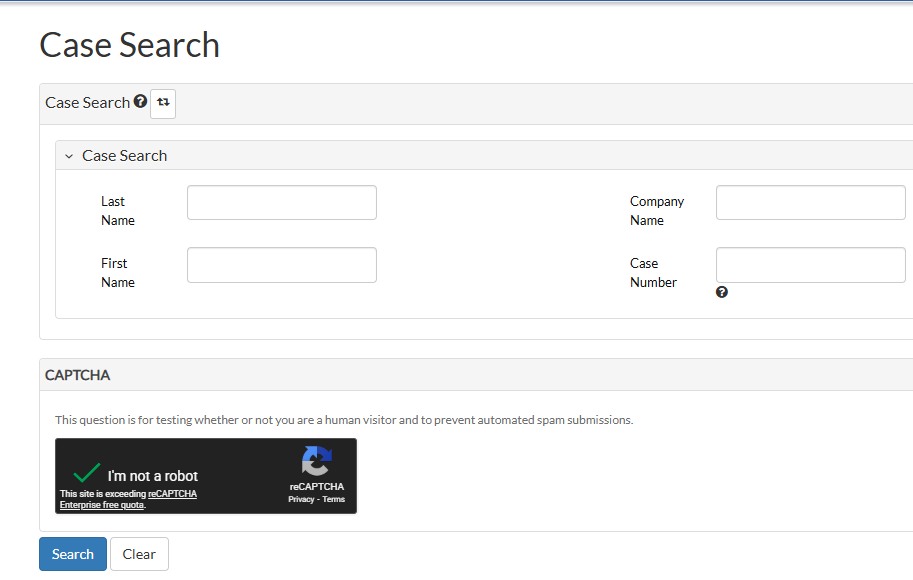
The lookup tool may offer multiple options. Click the option that fits what you know.
- Search by Case Number – Best if you know the exact case number.
- Search by Party Name – Search by plaintiff or defendant last name.
- Search by Attorney Name – Search using attorney’s name in the case.
Enter the Required Information
Once you select a type:
- Enter the case number exactly as shown on documents (letters and numbers).
- Or type the party’s last name or the attorney’s last name into the search box.
- Click Search or Submit to run the lookup.
View Your Search Results
After you run the search, the system will show results in a list or on a screen with details. You may see each docket entry listed in order of date. This gives a case log of what has happened in the case so far like:
- Case number
- Names of parties
- Filing date
- Hearing dates
- Case status Tulare Court (e.g., active, closed, pending)
Click on a Result to See Full Docket Records
If you see the right case, click it. You can scroll through entries to follow the progression of hearings and filings. The detailed docket page shows:
- All filings and motions
- All scheduled hearings
- Next court dates
- Changes in case status
Save or Print Results If Needed
Many users save PDF copies of docket pages or print them for reference. Look for a Print or Download option on the results page.
Types of Cases in Tulare Court Dockets
The Tulare case docket contains a wide variety of legal matters managed in Tulare County. Docket records Tulare include civil, criminal, family, and probate cases, each with its own filing patterns, schedules, and updates. Knowing the types of cases helps users understand which information to look for, interpret entries accurately, and track progress efficiently. Each case type has unique details in filings, hearings, and motions, and dockets provide a chronological log that ensures transparency and clarity in court proceedings. Users can also check upcoming deadlines and motions, making it easier to prepare for hearings.
Civil Cases
Civil cases involve disputes between individuals, organizations, or businesses, typically concerning contracts, property, or personal injury claims. The civil docket provides a chronological record of filings and hearings, helping attorneys and parties track progress efficiently. These dockets allow users to see updates on motions, deadlines, and scheduled trials, which can be crucial for case preparation. Reviewing the docket regularly ensures that all parties meet filing deadlines and appear at scheduled hearings on time. Accurate tracking also helps attorneys develop strategies and respond promptly to any court actions or motions.
- Parties involved in the dispute
- Filing dates for complaints and motions
- Scheduled hearings and trial dates
Criminal Cases
Criminal cases cover offenses prosecuted by the state, ranging from minor infractions to serious felonies. Tulare case dockets track every stage of the case, giving attorneys, defendants, and the public clear updates. The dockets also reflect changes such as continuances, plea hearings, or trial outcomes. Monitoring these records helps ensure that all deadlines and court dates are met. Staying informed through the docket allows defendants and attorneys to prepare for upcoming proceedings and respond to motions promptly. Accurate tracking also helps the public understand how criminal cases progress through the court system.
- Defendant and prosecutor names
- Charges filed
- Court rulings and decisions
- Scheduled hearings such as arraignments, motions, or trials
Family Court Cases
Family court cases address issues such as divorce, child custody, child support, and domestic violence. Dockets for family law cases provide a clear timeline of proceedings, showing the flow of filings and scheduled hearings. They also include updates on motions, temporary orders, and mediation sessions, helping parties manage their cases. These records allow attorneys and litigants to track progress efficiently and anticipate upcoming court dates. Understanding the docket entries ensures that parties can respond promptly to court actions and comply with legal requirements.
- Parties involved in the case
- Filing dates for petitions or motions
- Hearing schedules for mediation, custody, or support matters
Probate Cases
Probate cases involve estate administration, including wills, guardianships, and conservatorships. Tulare docket records for probate show the sequence of legal actions and filings. These dockets help monitor deadlines for petitions, motions, or court hearings and provide transparency for heirs, guardians, and legal representatives. Reviewing probate dockets regularly ensures that all necessary steps are completed on time and that parties remain informed about the progress of estate matters. It also allows attorneys to prepare effectively for hearings and respond promptly to any changes in the case schedule.
- Court hearing schedules and updates
- Names of decedents or guardians
- Filing dates for petitions
Elements of Tulare Docket Entries
The Tulare court docket provides a detailed record of all actions and filings in a case. Case status in Tulare County can be monitored through these entries, which are organized chronologically. Each entry, maintained by the tulare clerk of court shows critical information like the case number, parties involved, hearing dates, motions filed, and judgments issued. Understanding these elements helps attorneys, parties, and the public follow case progression accurately. By reading docket entries carefully, users can track deadlines, courtroom activity, and the current standing of any case in Tulare County.
Elements of a Docket Entry
Docket entries are structured to give a snapshot of case activity in a clear and concise way. Each entry typically contains:
- Case Number – the unique identifier assigned to the case
- Parties Involved – plaintiff(s) and defendant(s) or petitioner/respondent
- Hearing Schedule – dates and times of hearings or motions
- Motions – filed requests for court action
- Judgments or Orders – decisions made by the judge
How to Read Docket Terminology
Reading a Tulare court docket requires understanding common terminology. Terms such as “continuance,” “status conference,” or “motion granted” indicate specific actions or outcomes. Dockets may also show whether a hearing has been rescheduled or if a case has been closed. By familiarizing themselves with this terminology, users can interpret the entries accurately and know what actions are pending or completed in the case. Understanding these terms also helps parties prepare for upcoming hearings and ensures attorneys can advise clients effectively. Clear interpretation of docket language reduces confusion and prevents missed deadlines in legal proceedings.
Accessing Historical Tulare Docket Records
Docket records Tulare are not limited to current cases; older cases are preserved for public access and reference. Historical dockets may be stored in a digital archive or maintained as paper records, depending on the date of the case and the type of filing. These records provide a complete timeline of past court proceedings, including motions, hearings, and judgments. Accessing them helps researchers, attorneys, and members of the public review prior case activity and legal precedents while ensuring transparency in Tulare County’s judicial system. Reviewing historical dockets also allows parties to identify patterns in similar cases and prepare for ongoing legal matters. Properly requesting these records ensures compliance with court rules and privacy regulations.
How Older Dockets Are Stored
Historical dockets may exist in different formats depending on their age and category. Digital archives store more recent cases for easy online access, while older cases may be kept in paper files at the courthouse. Understanding the storage method is important before requesting records because digital files can often be downloaded or viewed online, whereas paper records may require an in-person visit or a formal request to the court clerk.
Steps to Request Historical Records
To access older Tulare docket records, users typically follow these steps:
- Identify the case number, parties involved, or approximate filing date
- Contact the Tulare County Clerk’s office or check the court’s digital archive online
- Submit a formal request if records are only available in paper format
- Pay any applicable fees for copying or research services
Rules and Restrictions for Public Access
Not all historical docket records are fully public. Some sensitive cases, sealed files, or cases involving minors may have restricted access. Users may be required to provide identification or a valid reason for requesting the records. Additionally, copying or reproducing some documents may incur fees, and the court may limit the number of pages accessible per request. Understanding these rules ensures users can successfully retrieve the historical information they need. Being aware of these limitations helps avoid delays or denied requests. Proper planning and following court procedures can make the research process smoother and more efficient.
What are Hearing Schedules in Tulare Court
The Tulare court docket provides a detailed overview of all scheduled hearings, showing how cases progress through the court system. Each docket entry reflects updates from the court calendar, including newly scheduled hearings, rescheduled dates, or continuances. By reviewing these schedules, attorneys, parties, and the public can track the timeline of a case accurately. This information helps users anticipate court appearances, prepare necessary documents, and understand the sequence of events that may affect motions, rulings, or trial outcomes. Regularly monitoring the docket also ensures that no deadlines are missed, and it allows legal professionals to coordinate case strategies effectively. Keeping track of updates contributes to smoother proceedings and better preparation for all parties involved.
How Court Calendars Integrate with Dockets
Court calendars are linked directly to the Tulare docket, ensuring that all hearing dates appear alongside case filings and motions. Each scheduled event is recorded in chronological order, providing a clear picture of upcoming proceedings. Integration between the calendar and docket allows users to quickly see whether a case has multiple hearings, status conferences, or trial dates. This system ensures that everyone involved has access to consistent, updated information regarding the case timeline. Regular review of the calendar also helps attorneys and parties plan preparations and coordinate filings effectively. Keeping track of updates reduces the risk of missed hearings or scheduling conflicts in court proceedings.
Scheduling, Rescheduling, and Continuances
Hearing dates on the docket can change due to scheduling conflicts, motions for continuance, or court availability. Monitoring these updates helps attorneys, litigants, and interested parties stay aware of changes and adjust preparation accordingly. The docket will reflect:
| Type of Update | Description |
|---|---|
| New Hearing Date | Date assigned for an initial or follow-up hearing |
| Rescheduled Hearing | Hearing postponed to a later date due to court or party requests |
| Continuance | Court grants delay requested by an attorney or party |
| Adjourned Trial | Trial date postponed; docket updated with new date |
Importance for Litigants and Legal Professionals
Understanding hearing schedules in Tulare dockets is crucial for all parties involved in a case. Accurate tracking of court dates ensures that attorneys can advise clients, litigants can appear on time, and deadlines are met. The hearing schedule also helps legal professionals coordinate filings and prepare motions in advance. By keeping track of updates in the docket, all participants maintain awareness of the case timeline and minimize the risk of missing important court actions.
Location and Contact info
The main Superior Court of California, County of Tulare is located at:
221 S. Mooney Blvd., Visalia, CA 93291, USA. This is the County Civic Center division where general court services are provided, including civil, criminal, family, and probate matters. In addition to the Visalia location, the court operates several other divisions serving different needs:
- Dinuba Judicial Center: 640 S. Alta Avenue, Dinuba, CA 93618 — handles various matters including criminal and traffic on select days.
- Porterville Division: 300 E. Olive, Porterville, CA 93257 — offers public services and hearings.
- Juvenile Justice Facility: 11200 Avenue 368, Visalia, CA 93291 — juvenile court matters.
- Pretrial Facility: 36650 Road 112, Visalia, CA 93291 — in‑custody calendars (remote hearings).
Official Contact Information
Main Court Phone: (559) 730‑5000. This line connects you with general court services and information at the Visalia division.
For specific departments (like Clerk’s Office, civil or criminal inquiries), the main number will either transfer you or provide direct extensions. Business hours are typically Monday through Friday, 8:00 AM to 4:00 PM, excluding holidays.
Frequently Asked Questions
The Frequently Asked Questions section provides clear answers to common inquiries about Tulare County Court dockets, case status, and related procedures. This section is designed to help attorneys, litigants, and the public quickly understand how to access court records, interpret docket entries, and track case updates. Users can learn about both current and historical cases, check hearing schedules, and identify which records are public or restricted. By reviewing these FAQs, individuals can save time, avoid mistakes, and ensure they are following proper court procedures while staying informed about Tulare County’s judicial processes.
How Can I Access Tulare Court Dockets Online?
The Tulare court docket can be accessed easily through the official Tulare County Court website, allowing attorneys, parties, and the public to track filings, motions, and scheduled hearings from anywhere. Users can search by case number, party name, or attorney to find the exact case they need. Once located, the docket shows the full record of court actions, hearing dates, and case updates. Knowing how to read these entries ensures accurate understanding of deadlines and court rulings. Regularly checking the online docket also helps prevent missed hearings or filing deadlines. Using the website saves time compared to in-person visits and gives immediate access to case information.
What Information is Included in a Tulare Docket Record?
Docket records Tulare provide a chronological record of all actions taken in a case, including filings, motions, hearings, and court decisions. Each entry lists the case number, parties involved, hearing dates, and judgments issued. Civil, criminal, family, and probate cases display slightly different details, reflecting the type of proceedings and filings required. Users can quickly track case progress, see upcoming hearings, and understand the outcomes of motions or orders. Dockets also help attorneys advise clients and prepare legal strategies. Reviewing these records ensures transparency and allows parties to anticipate next steps in Tulare County’s legal process.
How Do I Check the Case Status in Tulare Court?
Checking case status Tulare Court is straightforward through the online lookup or by contacting the clerk’s office. The status indicates whether a case is pending, continued, closed, or dismissed. Court dockets are updated regularly to show new filings, motions, or hearing changes. Understanding status terms is essential for litigants and attorneys to manage deadlines and prepare for hearings. Frequent monitoring of case status helps parties avoid missed court appearances or filing delays. Accurate tracking also assists legal professionals in coordinating strategies. Being informed ensures that everyone involved can respond promptly to court actions.
Can I Access Past Tulare Court Docket Records?
Older docket records Tulare are preserved in digital archives or as paper records at the courthouse. Historical dockets include motions, filings, hearing dates, and judgments for completed cases. Users may request these records online or in person through the clerk’s office. Access may be limited for sealed cases, juvenile matters, or confidential information. Reviewing historical dockets is useful for legal research, precedent checks, or understanding prior case outcomes. Properly requesting and interpreting these records ensures compliance with court rules. Accessing past records helps attorneys prepare cases and researchers track legal trends in Tulare County over time.
Are Tulare Court Docket Records Public?
Most Tulare court docket records are publicly accessible, offering transparency for attorneys, parties, and researchers. Public records include filings, hearing schedules, motions, and court decisions. Some cases, however, may be sealed or restricted due to privacy concerns, sensitive information, or minors involved. Users must follow court rules when viewing restricted records. Public access allows individuals to monitor ongoing cases, understand court procedures, and stay informed about legal proceedings. Compliance with privacy regulations ensures sensitive information is protected. Open access fosters accountability while still respecting legal boundaries, giving the public confidence in Tulare County’s judicial system.