Tulare county public records provide residents and professionals with critical insights into court cases, legal proceedings, and official government documents. These records include a wide range of information, from civil and criminal court filings to property records and vital statistics. For Tulare County residents, accessing this information can be necessary for legal research, personal verification, or professional due diligence. With modern search tools, users can quickly locate relevant documents without visiting multiple offices, saving both time and effort. Reliable access to Tulare County public records ensures transparency and helps individuals stay informed about legal and governmental matters in their community.
Residents can explore a variety of public record access options, whether looking for court dockets, probate records, or government filings. Many records are available digitally through official portals, while others may require in-person requests at local offices. Tulare public records offer detailed information for attorneys, researchers, and citizens alike, making it easier to retrieve essential data efficiently. With interactive search tools, users can pinpoint specific documents, streamline document retrieval, and maintain confidence that they are obtaining accurate information from trusted sources.
What Are Tulare Public Records?
Public records Tulare County are official documents maintained by government offices that provide information about legal, civic, and administrative matters. These records are created and stored to maintain transparency and ensure the public can verify important information. Residents, professionals, and researchers rely on these documents for legal research, property verification, and business compliance. Tulare County Court records are managed by various departments, such as the court system, recorder’s office, and vital records office, offering a reliable source of factual information about the county’s activities and decisions.
Types of Public Records in Tulare County
Tulare public records include a wide range of documents that serve different purposes for residents and professionals. From legal filings to property histories, these records allow individuals to confirm official information and support research or personal verification. Understanding the types of records available helps users locate the exact document they need, whether for civil matters, property ownership, or vital events. The county organizes these documents systematically, making them accessible through digital platforms or in-person requests at local offices. Key categories include:
- Court Records: Civil and criminal case filings, judgments, and hearing details.
- Property Records: Deeds, ownership history, tax assessments, and lien information.
- Vital Records: Birth certificates, marriage licenses, and death certificates.
- Business Records: Business registrations, permits, and licenses filed with the county.
- Other Legal Documents: Probate files, court orders, and other official county filings.
How to Search Tulare Public Records (Step‑by‑Step Guide)
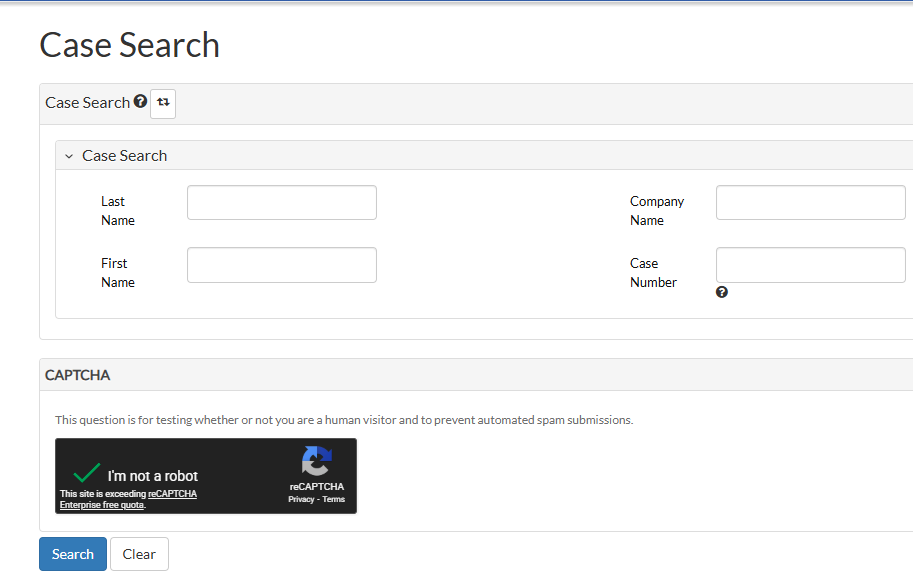
Searching Tulare public records especially court records is easy once you know where to look and how the official tools work. You can access records online, visit the court in person, or submit requests by mail or through authorized services. Below is a complete guide for users of all experience levels. This is the primary official portal for case searches and public records including civil, criminal, family, and traffic records maintained by the court.
Superior Court of California, County of Tulare Official site: https://www.tulare.courts.ca.gov/
Online Search Official Tulare Records Search Portal
- Go to the Tulare County Superior Court official site: https://online.tulare.courts.ca.gov/
- Log in or register if you haven’t used the system before. Registration is free and unlocks access to deeper search tools.
- Once logged in, locate the Case Search / Public Case Index feature.
- Choose the type of record you want to search (civil, criminal, family, traffic, etc.).
- Enter your search details, such as:
- Case number (most accurate)
- Full or partial party name
- Filing date range or year
- Review the search results and click a case to see more details (e.g., register of actions).
- If available, you can download or request copies of documents (fees may apply).
Types of Tulare County Public Records
Public records Tulare County encompass a variety of official documents that provide essential legal, civic, and administrative information. From court cases to property histories, these records are valuable for individuals, attorneys, researchers, and business owners. Each type of record serves a specific purpose and is maintained systematically to ensure accuracy and accessibility. By understanding the different categories of Tulare court public records and county filings, users can locate documents relevant to legal, financial, or personal matters with ease. Interactive tools, such as filters or search widgets, can make it simpler for users to explore records by category, providing example results and guiding them toward the exact documents they need.
Court Records
Tulare court public records contain detailed information about legal proceedings and case filings in the county. These records help residents and professionals track ongoing cases, verify outcomes, and obtain copies of court documents for legal or personal purposes. They include everything from civil disputes and criminal cases to family matters and probate issues. Understanding how these records are organized through case numbers, party names, and docket sheets allows users to efficiently locate the specific documents they need without unnecessary delays.
- Civil Cases: Lawsuits involving property disputes, contracts, or personal injury claims.
- Criminal Cases: Records of arrests, charges, trials, and sentencing for misdemeanor and felony cases.
- Family Court Records: Divorce, child custody, adoption, and domestic relations cases.
- Probate Records: Wills, estates, and guardianship filings.
Property & Land Records
Property records provide official documentation of real estate ownership, financial obligations, and transactions within Tulare County. These records are essential for anyone involved in buying, selling, or researching land. They give insight into ownership history, liens, mortgages, and property boundaries. By reviewing these records, individuals and professionals can confirm legal ownership, assess potential financial claims, and make informed decisions regarding property investments or disputes.
- Deeds: Official documents transferring ownership of real property.
- Mortgages: Records of loans secured by real estate.
- Liens: Claims against property for unpaid debts or taxes.
- Property Surveys & Maps: Documentation of boundaries and property characteristics.
Vital Records
Vital records document key life events and serve as official proof for legal, personal, and professional purposes. They are maintained carefully to ensure accuracy and authenticity. Residents frequently request these records for identity verification, family research, or estate administration. Authorized access allows users to obtain certificates and official documents while protecting individual privacy. Understanding the types of vital records available helps users determine which documents are needed for legal filings, applications, or personal records management.
- Birth Certificates: Proof of birth details including parentage and date of birth.
- Death Certificates: Documentation of death, used for estate settlement or genealogical research.
- Marriage Licenses & Certificates: Official proof of marriage.
- Divorce Decrees & Certificates: Legal proof of divorce or dissolution of marriage.
Business Records
Business records provide official documentation of commercial activity, corporate registration, and compliance within Tulare County. They are crucial for entrepreneurs, investors, and professionals who need to verify the legitimacy of businesses or track their legal filings. Accessing these records can help confirm licensing, incorporation, and permit details, ensuring that businesses operate within legal frameworks. Understanding the types of business records available allows users to make informed decisions for commercial or professional purposes.
- Business Licenses: Authorization to operate a business legally within the county.
- Incorporation Documents: Articles of incorporation, amendments, and official filings for corporations or LLCs.
- Permits & Registrations: Special permits or registrations required for specific business activities.
Why Accessing Tulare Public Records Matters
Accessing Tulare court public records allows residents, professionals, and researchers to retrieve essential legal and official documents quickly and accurately. Document retrieval provides verified information on court cases, property ownership, business filings, as well as marriage and divorce records having access to these records helps individuals make informed decisions for legal, personal, or professional purposes. Understanding how these documents are organized and knowing which records to access including vital records like marriage and divorce certificates empowers users, saves time, and promotes confidence in the reliability of the information provided by Tulare County.
Benefits of Accessing Public Records
Accessing public records in Tulare County offers numerous advantages that impact personal, legal, and professional matters. By reviewing these official documents, residents can verify property ownership, track court case progress, and confirm vital information about family or business matters. Professionals, including attorneys and researchers, rely on accurate records for legal research, case preparation, or due diligence. These records also support background checks and help the public monitor transparency in government activities, ensuring accountability and trust in county processes.
- Personal Verification: Confirm property ownership, check probate filings, or obtain vital records such as birth or marriage certificates.
- Legal Research: Review civil or criminal court filings, probate cases, or family law records for professional analysis.
- Background Checks: Employers or organizations can access court or business records to ensure safety, compliance, and accountability.
- Transparency and Accountability: Understanding government actions and court decisions helps residents stay informed and engaged with local governance.
Legal Considerations and Accessing
Access to public records in Tulare County is guided by laws that balance transparency with individual privacy. Public records access allows residents, professionals, and researchers to review official documents, including court filings, property deeds, and business licenses. Understanding which records are publicly accessible and which are restricted helps users obtain information responsibly. Following legal requirements ensures that citizens benefit from transparency without violating privacy or confidentiality laws. Proper knowledge empowers users to use records for personal, professional, and legal purposes effectively and ethically.
What Records Are Publicly Accessible
Most Tulare County records are available for public inspection, promoting transparency and accountability in government processes. These include documents that citizens frequently need for legal or professional purposes. Accessing these records helps residents verify ownership, track court cases, and confirm business filings. By knowing which documents are accessible and where to request them, users can save time and avoid unnecessary steps. Awareness of available records also supports informed decision-making in personal, legal, or professional matters, while maintaining compliance with county regulations.
- Court Records: Civil, criminal, probate, and family case filings.
- Property Records: Deeds, mortgages, liens, and land surveys.
- Vital Records: Birth, death, marriage, and divorce certificates (subject to eligibility).
- Business Records: Licenses, incorporation documents, and permits.
Restricted or Sensitive Records
Some legal documents are restricted to protect privacy or comply with state and federal laws. Accessing these sensitive records requires authorization, eligibility, or court permission. Understanding restrictions helps users avoid legal violations while respecting confidentiality. Restricted documents include juvenile court records, sealed criminal cases, adoption files, and certain medical or social service records. Knowing which records require special access ensures responsible use. Users can plan ahead and request permission where necessary, making public records access both effective and lawful.
- Juvenile Court Records: Protected to safeguard minors.
- Adoption Records: Confidential to protect adoptees and families.
- Sealed or Expunged Criminal Records: Only accessible with authorization.
- Medical and Social Service Files: Restricted under privacy laws.
Ethical and Lawful Use of Records
Accessing Tulare County records comes with responsibilities. Users must follow ethical and legal guidelines to avoid misuse of sensitive information. Proper use includes reviewing documents only for legitimate personal, professional, or legal purposes and respecting restricted or confidential materials. Misuse of records can result in penalties or legal consequences. By following ethical practices, citizens contribute to transparency, maintain trust in county operations, and ensure that public records access continues to benefit the community responsibly.
- Use records solely for authorized purposes.
- Respect sealed or restricted documents.
- Avoid distributing sensitive information unlawfully.
- Follow state and federal privacy regulations.
How Tulare Public Records Are Maintained and Updated
Maintaining accurate Tulare public records is a priority for county offices, ensuring that residents, attorneys, and researchers have reliable information. The records are stored in organized filing systems and secure digital databases, allowing for efficient retrieval and long-term preservation. Regular updates reflect new filings, amendments, and corrections across court, property, business, and vital records. By combining physical archives with electronic systems, Tulare County balances accessibility with security, creating a trustworthy record-keeping environment for public documents and legal filings.
Record Management and Database Systems
All Tulare public records are managed through official county databases that track civil and criminal case filings, property transfers, vital records, and business documents. These systems are designed to maintain record accuracy by capturing detailed information at the time of filing and updating it regularly. County clerks and record officers follow strict protocols for storing, indexing, and verifying each document. Archival methods include both digital storage with backups and physical record preservation to ensure longevity and reliability.
- Filing Systems: Documents are categorized by type, date, and case or property numbers for easy retrieval.
- Digital Databases: Electronic records are updated in real time to reflect court filings, property changes, and business registrations.
- Archival Storage: Older records are preserved securely for historical reference and compliance with state laws.
Frequency of Updates
Records are reviewed and revised regularly to reflect new filings and transactions. Digital databases are synchronized with physical archives to ensure consistency. Quality checks and verification processes are implemented to prevent errors and omissions. Updates to Tulare County records occur frequently to maintain accuracy:
- Court Records: Case filings, motions, and judgments are updated daily in the county database.
- Property Records: Transfers, liens, and deed modifications are recorded as soon as they are filed.
- Vital Records: Birth, death, marriage, and divorce records are added immediately upon issuance.
- Business Records: Licenses, incorporation documents, and permits are logged as they are submitted.
Accuracy and Reliability Measures
Tulare County employs strict verification processes to maintain the integrity of public records. Clerks review submissions for completeness, cross-check entries, and correct errors promptly. Digital systems include audit trails and security measures to prevent unauthorized changes, while physical records are protected from damage or loss. This dual approach ensures that residents and professionals accessing Tulare public records can rely on the information for legal, personal, and professional purposes.
Location and Contact Info
For residents, businesses, and legal professionals, knowing where to find Tulare public records is essential. Tulare County provides multiple offices to access court documents, property records, vital certificates, and business filings. Each office has dedicated staff, clear procedures, and secure systems to assist with requests. Whether visiting in person, contacting by phone or email, or submitting forms online, users can obtain official records efficiently. Accurate contact details, office hours, and directions ensure that every request is handled promptly and transparently.
Tulare County Assessor/Clerk‑Recorder Office
This is the primary county office where many public records such as property documents, deeds, liens, and vital records (birth, death, marriage certificates) are stored and made available. The office maintains these documents in both physical and digital formats, with online search options often available.
- Address: 221 S. Mooney Blvd., Room 103 (Recorder) & Room 105 (Clerk), Visalia, CA 93291
- Phone – Recorder: (559) 636‑5050
- Phone – County Clerk: (559) 636‑5051
- Hours: Monday–Friday, typically 8:00 AM–5:00 PM (recording transactions often end at 3:00 PM)
Tulare County Superior Court Locations
The Superior Court handles Tulare court public records, including civil, criminal, probate, and family court filings. These court offices provide in‑person or mail requests for case documents and certified copies, and many records can also be accessed online via the court’s public portal. There are several court locations in the county:
- Visalia Division Primary: 221 S. Mooney Blvd., Visalia, CA 93291
- Porterville Division: 300 E. Olive Ave., Porterville, CA 93257
City of Tulare Public Records
This office supports requests for city administrative records If you need Tulare city municipal records, those are handled by the City Clerk at:
- City Hall: 411 E. Kern Ave., Tulare, CA 93274
- Phone: (559) 684‑4200
Frequently Asked Questions
Accessing Tulare public records is essential for residents, legal professionals, and researchers who need accurate and official information. Public records include court filings, property deeds, business documents, and vital certificates, all maintained by Tulare County offices. Whether requesting records in person, by mail, or online, it is important to follow the proper procedures. Understanding what records are available, any associated fees, and how to submit requests helps users save time while complying with county rules. Clear knowledge also ensures that users avoid errors or delays when retrieving official documents.
How can I request court records?
To request court records in Tulare County, individuals can visit the Superior Court in person or submit an online or written request. Include the case number, names of the parties involved, and the filing date to ensure accurate retrieval. Court clerks can assist with civil, criminal, probate, or family case documents. Mailed requests require a self-addressed stamped envelope and any applicable fees. Requests are processed according to standard procedures, and certified copies are available for an additional cost. Users should provide complete details to avoid delays and ensure they receive the correct documentation.
Are Tulare County records free?
Basic viewing of Tulare County public records is free, allowing users to inspect documents at the Clerk or Recorder’s office. However, obtaining certified copies, printed copies, or official documentation may require small fees to cover processing and certification. Online access to some records is often free for searching or viewing, but downloads and certified copies are typically charged. Understanding the fee structure helps users plan requests efficiently. Fee schedules are posted on county websites or available from office staff. This knowledge helps individuals budget properly and avoid unexpected costs when requesting official documents.
Can I access Tulare public records online?
Many Tulare public records are accessible online through official county portals, including property records, deeds, and some court filings. Users can search using case numbers, names, or property addresses. Sensitive records like vital certificates (birth, death, marriage) may require in-person visits or mailed requests for certified copies due to privacy laws. Online databases offer convenient access to searchable records, while physical or certified documents must be requested through proper channels. Using official portals ensures records are accurate and verified, and it allows users to track requests or download available documents securely.
Who can request Tulare public records?
Most Tulare County public records are available to the general public under California law. This includes residents, researchers, legal professionals, and businesses. Certain records are restricted, such as sealed juvenile or adoption records, which require special authorization or a court order. Individuals must follow county procedures, provide accurate information, and submit any necessary fees. By adhering to these rules, users can access official documents responsibly, supporting transparency while respecting privacy and legal restrictions. Proper use ensures that public records remain a reliable resource for everyone, while avoiding potential legal complications.
How long does it take to receive records?
The processing time for Tulare public records depends on the type of document and request method. Online searches provide immediate access to available digital records. In-person requests may be completed on the same day if the record is on file and readily available. Mailed requests or requests for certified copies often take several days to a few weeks, depending on volume and verification requirements. Planning ahead and providing complete, accurate information helps expedite the retrieval process. Users should also confirm office hours and any holidays to avoid delays in receiving records.